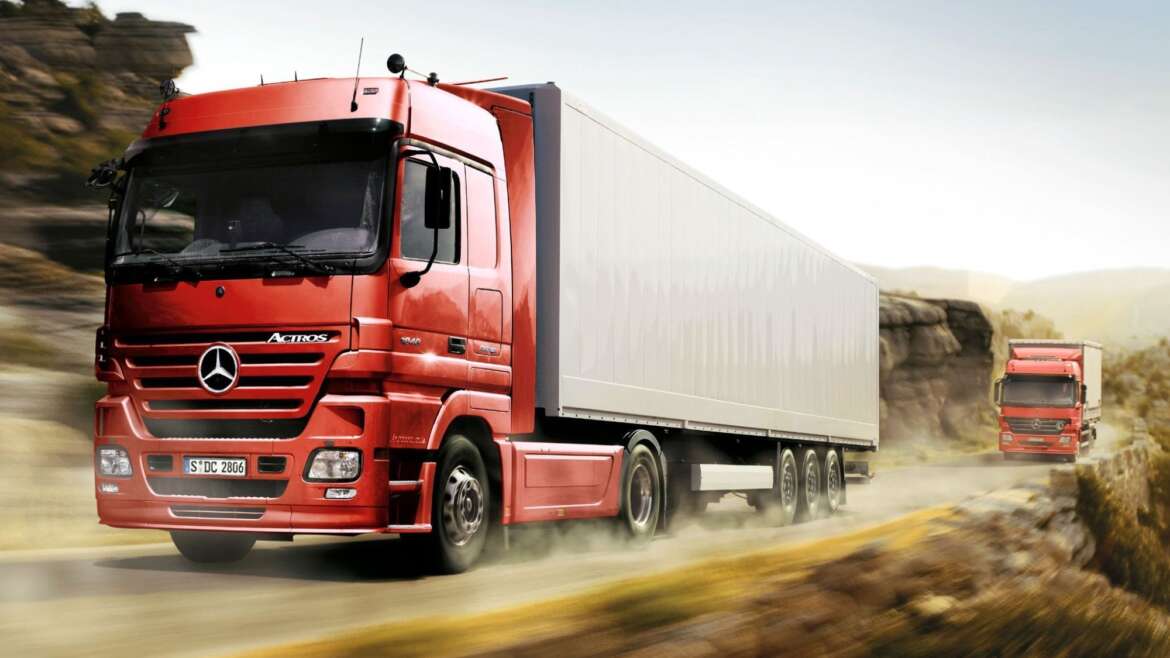
Full Truck Load (FTL) service refers to the transportation of goods where the entire capacity of a truck is utilized by a single shipment from a single customer. This mode of transport is often chosen when a shipper has enough goods to fill an entire truck or when time-sensitive deliveries require direct transit with minimal stops or handling.
- Capacity and Efficiency:
- FTL shipments typically occupy the entire trailer space, maximizing efficiency and reducing the risk of damage or loss associated with multiple handling points.
- The capacity of a standard truck trailer can vary but commonly ranges from 48 to 53 feet in length and can accommodate payloads of up to 45,000 pounds or more, depending on the type of freight and truck configuration.
- Direct Transit:
- FTL shipments offer direct transit from the point of origin to the destination without intermediate stops or transfers, ensuring faster delivery times compared to less-than-truckload (LTL) or consolidated shipments.
- Direct transit minimizes the risk of delays associated with consolidation hubs or multiple pickups and deliveries along the route.
- Customized Solutions:
- FTL services provide flexibility and customization options to meet the unique needs of shippers, including specific pickup and delivery times, dedicated equipment, and specialized handling requirements.
- Shippers can choose from a variety of truck types, including dry vans, refrigerated trailers (reefers), flatbeds, and specialized equipment for oversized or high-value freight.
- Cost-Effectiveness:
- While FTL shipments may have a higher upfront cost compared to LTL or partial truckload options, they often prove to be more cost-effective for larger volumes of freight due to reduced handling and transit times.
- Shippers benefit from competitive pricing based on factors such as distance, freight volume, equipment type, and market conditions.
- Tracking and Visibility:
- Leading FTL carriers offer advanced tracking and visibility tools that allow shippers to monitor the status and location of their shipments in real-time.
- Enhanced visibility enables proactive management of logistics operations, improved customer service, and timely decision-making to address any potential issues or disruptions.
- Safety and Security:
- FTL shipments are typically sealed and secured throughout transit, minimizing the risk of tampering, theft, or damage to goods.
- Trusted carriers adhere to stringent safety protocols and regulatory standards to ensure the integrity of the supply chain and the safe delivery of cargo to its destination.
Overall, Full Truck Load (FTL) service provides shippers with a reliable and efficient transportation solution for high-volume shipments, offering direct transit, flexibility, and cost-effectiveness while prioritizing safety, security, and customer satisfaction.
Leave a reply